
A coaching client can have a brilliant session and still feel uncertain about the overall experience. Perhaps their first appointment took too long to arrange. Their next steps were unclear. Or a colleague working with another coach received a completely different onboarding process.
For coaching firms, the answer is not to make every coach sound, think or work alike. It is to build an experience that feels dependable while leaving room for professional judgment and individual relationships.
The short answer: Coaching teams create consistency by agreeing on shared standards for onboarding, scheduling, confidentiality, communication and reporting, while giving each coach freedom over their questions, approach and session style. Standardize the client journey, not the coaching conversation.
Consistency is not the same as sameness
A client does not need every coach in your firm to use the same metaphor, reflection exercise or conversational rhythm. Those differences are often part of why clients choose a particular coach.
What clients do need is confidence that the firm will honor its promises. They should know what happens after they sign up, who to contact when something changes, where to find their sessions and how their goals will be reviewed.
Think of it as two layers:
- Shared operating standards protect the experience: clear agreements, reliable admin, professional boundaries and a defined path from inquiry to completion.
- Individual coaching practice protects the relationship: listening style, questions, pace, exercises and the approach agreed with the client.
If you manage a coaching team, your job is to make those layers work together. This is especially important when scaling a coaching practice without losing the personal touch.
What should a coaching team standardize, and what should stay flexible?
A useful first step is to make the distinction explicit. Otherwise a request for “consistency” can quietly turn into an instruction to coach in one approved way.
| Stage | Shared team standard | Room for each coach’s style |
|---|---|---|
| First inquiry | Response ownership, next step and expected timeframe | Tone within brand guidelines; how to explore fit |
| Coach matching | Clear matching criteria and a way to handle poor fit | How the chemistry conversation is conducted |
| Contracting | Agreement, roles, boundaries and confidentiality terms | How the coach discusses expectations with the client |
| Onboarding | Required information, booking instructions and resource access | Personal welcome and preparation questions |
| Coaching sessions | Attendance tracking and agreed administrative steps | Questions, models, pacing and interventions |
| Progress reviews | When goals and progress are revisited | How progress is explored with the client |
| Closing an engagement | Final-session logistics, feedback process and next-step options | Reflection exercise and closing conversation |
The table is a starting point, not an instruction manual. A career coaching practice, an executive coaching firm and an internal organizational program may make different choices.
1. Agree on the client promise before you write a process
Start by asking a simple question: What should every client be able to count on, whichever coach they work with?
The answer might include a clear explanation of coaching, a straightforward way to book sessions, an agreed response window for administrative questions, secure handling of records and an opportunity to review progress.
Turn that promise into a short internal document. Avoid a 40-page operations manual nobody uses. A one-page standard containing the commitment, the responsible person and the exception process is far more likely to shape day-to-day behavior.
For example, “Each new client receives their agreement and booking instructions before session one” is a useful standard. “Every coach must read the same 10-minute welcome script” probably is not.
2. Build a consistent process for matching clients with coaches
In a multi-coach firm, the client’s first experience of quality often begins before the first session, with the match.
A good matching process considers the client’s goals, the coach’s specialties, preferred working style, availability and any relevant organizational constraints. It should also leave room for a client to say that the fit does not feel right.
Try a simple matching checklist:
- What support is the client seeking, and what is outside the scope of coaching?
- Which coach has suitable experience and capacity?
- Does the client have a preference for approach, language or format?
- Who confirms the match and introduces the next step?
- What happens if either person wants to reconsider the match?
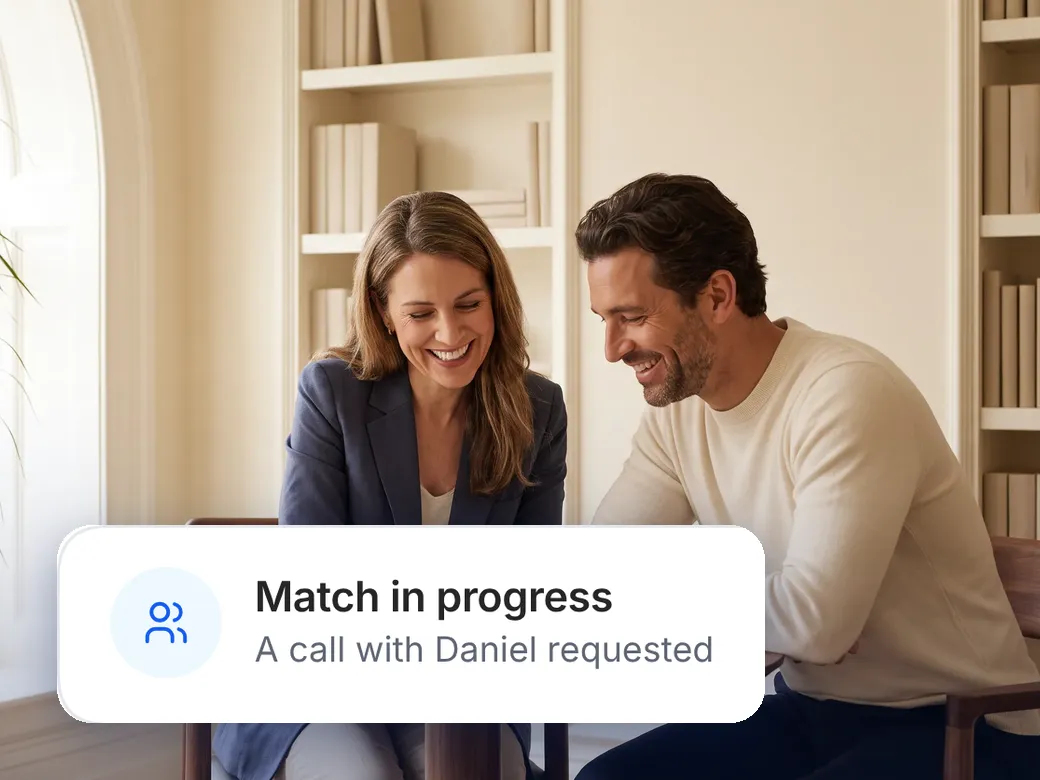
Do not confuse a full calendar with a good fit. Capacity matters, but it is only one part of the decision. Delenta’s coach matching tools are designed to support client assignment and team-capacity visibility.
3. Make contracting and confidentiality consistent
This is one area where individual preference should not replace agreed safeguards.
The ICF Code of Ethics calls for clarity about coaching agreements, roles and the information shared among clients, sponsors and other parties. It also addresses confidentiality and the responsible handling of records and technology.
For a coaching team, translate those principles into operational questions. Who receives the contract? What may the organizational sponsor see? Who can access session notes? What is the escalation route if a client raises a concern? When are records kept or removed in line with applicable rules and agreements?
A crucial distinction: A firm may need to know that a session took place without needing to read what the client discussed. Coaching privacy and operational accountability can coexist when access is clearly defined.
A shared system can make these boundaries easier to maintain, but technology does not replace an ethical agreement or professional judgment.
4. Give clients one recognizable journey, not one recognizable voice
Consistency becomes visible in ordinary moments: a welcome email, a booking link that works, a reminder, a resource shared at the right time, or a straightforward way to raise a scheduling issue.
Map your experience from inquiry to final session. For each stage, identify the minimum information and action required, who owns it and what the client sees.
Then ask your coaches where flexibility is useful. One might send a warm personal note before the first session. Another may ask clients to reflect on a short set of questions. Both can work within the same onboarding standard.
If you are redesigning this journey, the guide to moving from discovery call to final session offers a useful end-to-end view.
5. Measure service reliability without policing coaching styles
A quality program should help your team learn, not make coaches feel that every session is being inspected.
Start with measures that reflect the operating promise:
- Time to first session: How long does a new client wait between enrolling and getting started?
- Onboarding completion: Have agreements, introductions and booking instructions been handled?
- Session delivery: Are bookings, cancellations and completed sessions recorded accurately?
- Client feedback: Do clients feel clear about the process, supported and well matched?
- Exceptions: Where do clients or coaches repeatedly run into friction?
Numbers alone cannot tell you whether a powerful coaching conversation happened. Pair operational signals with appropriate feedback and thoughtful supervision or peer learning. Protect client confidentiality when discussing examples.
For organizational programs, consider how to show coaching ROI without compromising client confidentiality.
6. Build a team rhythm that makes improvement normal
A standard written once and forgotten will drift. Teams need a light way to review how the experience is working.
Consider a 30-minute monthly operations huddle, separate from coach supervision. Look at onboarding delays, scheduling problems, matching concerns and recurring support questions. Invite coaches to suggest improvements, and assign one owner to any process change.
When a coach finds a better way of preparing clients, share the idea as an option rather than immediately turning it into a rule. The point is to spread learning without eliminating good professional variation.
A practical 30-day rollout for your coaching firm
Week 1: Listen. Ask coaches and clients what feels inconsistent. Map the current journey and identify your three biggest sources of friction.
Week 2: Decide. Agree on a short client promise, shared contracting safeguards, handoff responsibilities and the areas where coaches have complete freedom.
Week 3: Pilot. Test the standards with a small number of new engagements. Check that coaches can still work naturally.
Week 4: Refine. Review feedback and operational signals. Remove unnecessary steps. Set a monthly review cadence and make the latest standards easy to find.
You do not need perfect documentation before you begin. You need a few clear commitments that everyone understands.
Where Delenta fits into a consistent team experience
A coaching firm can design excellent standards and still struggle if its information lives in separate spreadsheets, inboxes and booking tools. Our guide to coaching business operations in 2027 maps the workflows worth connecting.
Delenta for coaching teams brings together multi-coach management, client records, scheduling, packages, coach matching and team reporting. Teams can coordinate who is assigned to whom and track program activity while keeping coaching work personal.
The Teams plan also separates operational visibility from access to private session notes.
The value is not that a platform tells every coach how to coach. It is that shared administration becomes easier to run while the coach-client relationship stays central.
Create a shared experience your coaches can be proud of
A strong coaching team offers two things at once: the confidence of a well-run firm and the value of an individual coaching relationship. Standardize the promises that matter. Protect the professional freedom that makes each coach effective.
Explore Delenta Teams to see how multi-coach management, matching and reporting can support that balance.